


- Products
-

 Networking
- > AI Smart Managed Series
- > Industrial Ethernet
- Industrial PoE Media Converter
- Industrial Media Converter
- Industrial Unmanaged PoE Switch
- Industrial Managed PoE Switch
- Industrial Unmanaged Ethernet Switch
- Industrial Managed Ethernet Switch
- Industrial Serial Fiber Converter
- Industrial PoE Injector
- Industrial PoE Splitter
- Industrial PoE Extender
- Industrial Optical Switch
- Industrial PD Switch
- DIN-Rail Power Supply
- Rackmount DIN-Rail Bracket
- LED Screen Fiber Converter
- Industrial Ethernet Switch & 5G Router
- Industrial EOC Converter
- > Commercial Ethernet
-
 Video Transmission
-
 SFP Transceiver
-
 Other Fiber Optic & Networking Products
-
- Solutions
- News
- About
- Contact

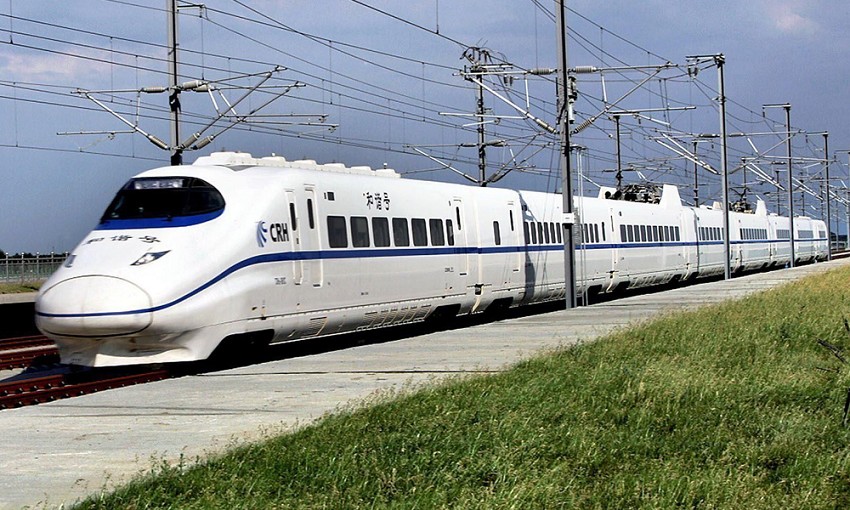

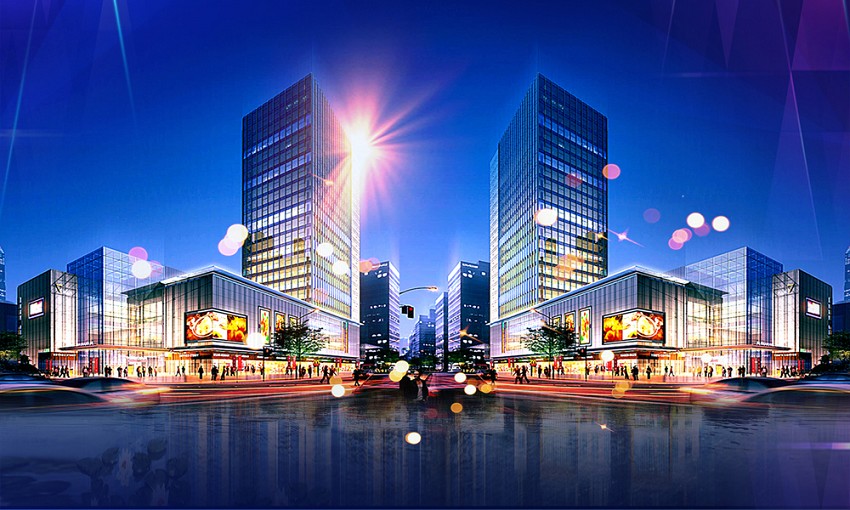
One is an office white-collar worker; the other is a tough field engineer.
At first glance, industrial switches and commercial switches look similar with RJ45 and SFP ports. But they are designed for totally different missions. A commercial switch works like an office clerk staying in a temperature-controlled building. An industrial switch is a rugged field engineer, built to survive dust, moisture and heavy electromagnetic interference in factories or outdoor sites.
1. Commercial Switch — IT Office “White-Collar Type”
For stable & clean indoor environments Working site: air-conditioned server rooms, office wiring closets with mild temperature and low electromagnetic noise.
- Temperature range: 0~40℃, only suitable for comfortable indoor space
- Cooling: fan cooling. Fans are wearing parts and may fail after years of dust accumulation
- Power supply: single 220V AC power, device goes offline once power cuts
- Network recovery: RSTP, recovery time 1~2 seconds. Brief interruption is acceptable for office internet
- Mounting: standard 19-inch rack mount
- Lifespan & cost: designed for 3–5 years service life, cost-effective
Best for: corporate office network, indoor surveillance. Short downtime won’t cause critical losses.
2. Industrial Switch — OT Field “Rugged Engineer”
Built for harsh environments, 24/7 non-stop operation Deployed in factory workshops, solar farms, tunnels, rail transit, cold storage and outdoor cabinets. These sites have extreme temperature, dust, humidity and strong EMI from motors & inverters, where ordinary switches will crash easily.
- Wide temperature: -40℃ ~ +75℃, stable in extreme cold and heat
- Cooling: fanless aluminum passive cooling, no moving parts to break
- Power supply: 9~60VDC wide voltage, dual redundant power inputs. Support reverse polarity & surge protection; automatic switchover if one power fails
- Network recovery: industrial ring protocol, failover <50ms. Millisecond recovery prevents PLC and machine vision shutdown
- Mounting: DIN rail or wall mounting, easy installation inside control cabinets
- Lifespan & cost: industrial-grade components + PCB conformal coating. Service life over 10 years. Price is generally 2–5 times higher than commercial switches.
Best for: factory automation, solar & wind power, tunnel monitoring, rail transit and OT control systems. Network outage will lead to costly production shutdown.
3. Top 3 Common Misconceptions
- Myth: Industrial switches always have higher throughput. Fact: Not really. Industrial switches prioritize reliability, not maximum bandwidth. Commercial switches often offer higher port density and larger forwarding capacity.
- Myth: If a switch has SFP ports, it must be industrial. Fact: Many commercial switches also support SFP slots. Judge by wide temperature range, DIN rail, dual power supply and industrial ring function.
- Myth: Putting a commercial switch in a temperature-controlled cabinet can replace an industrial switch. Fact: High risk. If the cabinet temperature controller fails, the commercial switch will be damaged, bringing expensive on-site maintenance cost.
4. Quick Selection Tip
Stable indoor environment & office data → Commercial Switch
Harsh environment & zero tolerance for network outage / industrial control → Industrial Switch


