







Traditional network cables have a transmission distance of only 100 meters, and electromagnetic interference and wiring distance limitations have long plagued network setups in security, parks, and small computer rooms.

The E-link LNK-M3011 series of miniature gigabit optical converters, with their compact design, Type-C portable power supply, and adaptive capabilities for both hundred-megabit and gigabit optical ports, connect the network cable and fiber optic transmission links, enabling cost-effective long-distance network extension. This SC micro fiber converter is a lightweight optical-electrical conversion solution for small-scale weak current projects and mobile networking.
What is the product?
LNK-M3011 is a miniature 10/100/1000Base-T to 100/1000Base-FX Ethernet media converter, also known as an SC optical Converter. The overall size of the device is only 62×44×18mm. It is equipped with 1 adaptive RJ45 electrical port and 1 SC optical port. The SC micro fiber converter is compatible with three optical fiber schemes: multi-mode dual-fiber, single-mode dual-fiber, and single-mode single-fiber WDM.

This SC micro fiber converter uniformly adopts 5V Type-C power supply. The overall power consumption is 3W. It supports 9K large frame forwarding and complies with the complete IEEE Ethernet standards. It can automatically identify 100M/1000M optical signals and is compatible with mainstream network terminals such as switches, network cameras, and NVRs.
Working Principle
The SC micro fiber converter is equipped with a switched photoelectric conversion chip, enabling bidirectional lossless conversion between electrical signals and optical signals. The RJ45 port receives the Ethernet electrical signals transmitted by the network cable, and the internal circuit completes signal shaping before driving the optical module to convert into optical signals.

These signals are then transmitted via optical fibers to the opposite device. The optical detector at the opposite end receives the optical signals and restores them to standard electrical signals, which are then output through the network port to the terminal.

The SC micro fiber converter automatically matches full/half duplex and MDI/MDI-X wiring orders, eliminating the need for manual configuration of rate and wiring order. The optical ports automatically identify 100Base-FX or 1000Base-X signals, ensuring seamless communication between 100-megabit and 1-gigabit devices. The transmission bit error rate is lower than 10⁻⁹, and the MTBF (Mean Time Between Failures) is 100,000 hours, ensuring long-term stable and reliable operation.

Installation and Usage Steps
- Power Supply Connection: Connect the Type-C data cable between the device and a 5V power adapter or mobile power bank. The PWR indicator light remaining on indicates normal power supply.
- Network Cable Connection: Use Category 5/6 network cables. One end connects to the RJ45 port of the device, and the other end connects to a switch, NVR, or IP camera. The TX light being on indicates a normal link at the electrical port.
- Fiber Optic Connection: Insert the SC fiber optic jumper into the device’s optical port. When deploying single-fiber models in pairs, distinguish between A and B ends for pairing use. The FX/ACT flashing indicates normal data forwarding.
- Status Check: When there is no link, check the fiber optic end faces and network cable connectors. Replace with a fiber module of the matching wavelength and distance to restore the connection.
Importance and Key Features
This SC micro fiber converter addresses the bottleneck of copper cable transmission over 100 meters, and the optical fiber link is immune to electromagnetic interference. The single-mode can achieve the farthest transmission distance of up to 80 km, significantly reducing the cost of wiring across buildings and over long distances. The compact design can be embedded in cabinets for integration, and is portable for on-site debugging. USB Type-C power supply frees it from the constraints of fixed power sources, making it suitable for temporary networking and outdoor inspections.

This SC micro fiber converter supports full-rate adaptive, large frame, and operates within a wide temperature range of 0 to 45°C, suitable for various environments such as monitoring, office work, and industrial applications. Multiple fiber optic specifications are available, and the single-fiber model can save half of the fiber optic wiring resources, reducing engineering material costs. The entire SC micro fiber converter does not require software debugging; it is plug-and-play, significantly reducing the construction and debugging time.
Application Scenarios
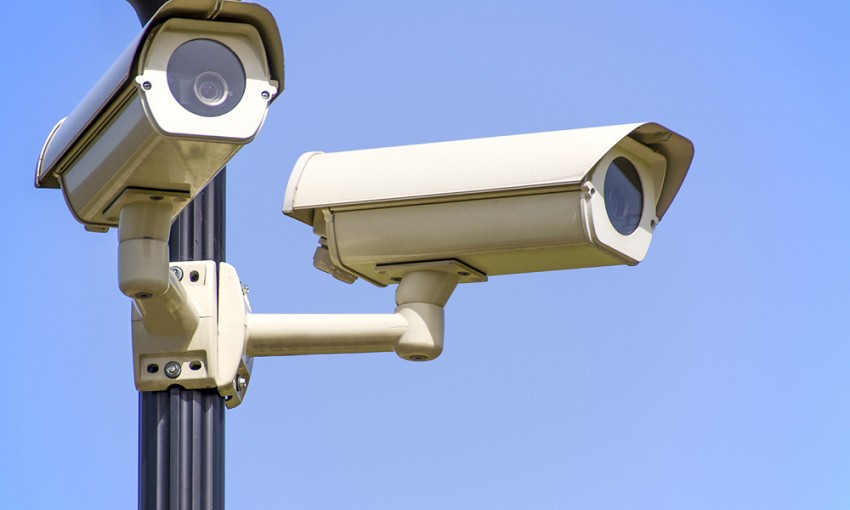
The core application scenario is security monitoring, where high-definition cameras in parks and construction sites can transmit video footage over long distances to the NVR storage room for storage; enterprises and campuses can establish cross-building networks to connect different building switches to achieve gigabit internal network interconnection; small data centers, mobile operation and maintenance temporary fiber optic links can be set up quickly by relying on portable power supply to test the network; industrial weak current workshops and intelligent traffic points can avoid electromagnetic interference from motors and equipment to ensure stable data transmission.

The multi-mode short-range solution is suitable for indoor wiring in parks, while the single-mode single-fiber solution is suitable for long-distance point expansion and is adaptable to various small and medium-sized fiber optic networking projects.
The LNK-M3011 SC micro fiber converter combines portability, compatibility and transmission stability. With an extremely small size, it can cover the optical conversion needs for both 100Mbps and 1000Mbps in various scenarios, effectively addressing the pain points of long-distance network transmission. It is a cost-effective preferred device for high-performance fiber networking in security, office, and industrial applications, promoting lightweight fiber networking.


