


- Products
-

 Networking
- > AI Smart Managed Series
- > Industrial Ethernet
- Industrial PoE Media Converter
- Industrial Media Converter
- Industrial Unmanaged PoE Switch
- Industrial Managed PoE Switch
- Industrial Unmanaged Ethernet Switch
- Industrial Managed Ethernet Switch
- Industrial Serial Fiber Converter
- Industrial PoE Injector
- Industrial PoE Splitter
- Industrial PoE Extender
- Industrial Optical Switch
- Industrial PD Switch
- DIN-Rail Power Supply
- Rackmount DIN-Rail Bracket
- LED Screen Fiber Converter
- Industrial Ethernet Switch & 5G Router
- Industrial EOC Converter
- > Commercial Ethernet
-
 Video Transmission
-
 SFP Transceiver
-
 Other Fiber Optic & Networking Products
-
- Solutions
- News
- About
- Contact


As digital transformation continues to accelerate, enterprises require faster, more reliable network connections to support growing volumes of data transmission. Compared with traditional copper-based network adapters, a 1000M Fiber Optic LAN Card offers longer transmission distances, stronger resistance to electromagnetic interference, and greater network stability.

It has become an ideal solution for fiber optic LAN deployment, data centers, industrial Ethernet, and surveillance systems. A high-performance fiber optic LAN card helps improve network efficiency while ensuring uninterrupted business operations.
This article uses the E-link LNK-LC1000 Series 1000M Fiber Optic LAN Card as an example to explain how it works, how to install it, its key advantages, and its typical application scenarios, helping you better understand the value of Gigabit fiber networking.

What Is a 1000M Fiber Optic LAN Card?
A 1000M Fiber Optic LAN Card is a PCI-E network interface card that enables computers or servers to communicate through fiber optic Ethernet connections. Unlike conventional RJ45 Ethernet adapters that transmit electrical signals over copper cables, fiber optic LAN cards use optical signals, providing longer transmission distances, better signal integrity, and stronger immunity to electromagnetic interference.
The E-link LNK-LC1000 Series is a single-port PCI-E Gigabit Fiber Optic LAN Card that complies with IEEE 802.3, IEEE 802.3z, IEEE 802.3x, IEEE 802.1Q, and IEEE 802.1p standards. It supports 1000Base-SX/LX Gigabit Ethernet and delivers up to 1000Mbps network access with 2000Mbps full-duplex bandwidth.

The series is available with either an SC fiber interface or an SFP slot and supports both single-mode and multi-mode fiber, as well as single-fiber and duplex-fiber configurations, allowing flexible deployment for different networking environments.
How Does a 1000M Fiber Optic LAN Card Work?
After being installed into a PCI-E slot, the LAN card converts digital data from the computer into optical signals, which are transmitted through fiber optic cables. At the receiving end, the optical signals are converted back into digital data, enabling high-speed and reliable Ethernet communication.

The LNK-LC1000 Series supports full-duplex communication, allowing simultaneous data transmission and reception for higher network throughput. It also supports IEEE 802.3x flow control, VLAN, IP multicast filtering, and Jumbo Frame to improve both network efficiency and stability. In addition, integrated hardware acceleration features such as TCP/UDP/IP checksum offload and TCP segmentation offload reduce CPU utilization, making the adapter especially suitable for servers and applications that handle large volumes of network traffic.
How to Install and Use a 1000M Fiber Optic LAN Card
Installing a 1000M Fiber Optic LAN Card is straightforward and typically involves the following steps.
- Power off the computer or server and install the adapter into a standard PCI-E x1 slot.
- Connect the fiber optic cable to the SC port or insert an SFP module before connecting the fiber cable.
- Power on the device and install the appropriate driver. The card supports Windows, Linux, and Windows Server operating systems.
- Configure the network settings, including IP address and VLAN parameters if required.
- Connect the adapter to a fiber switch, server, or other network equipment and verify that the network connection is operating normally.
With plug-and-play capability and broad operating system compatibility, the installation process is simple for both new deployments and network upgrades.

Why Is a 1000M Fiber Optic LAN Card Important?
Modern enterprise networks require not only high bandwidth but also long-term stability and reliability. Fiber optic networking eliminates many of the electromagnetic interference issues associated with copper cabling, making it an excellent choice for industrial facilities, equipment rooms, and mission-critical business networks.
The LNK-LC1000 Series provides 1000Mbps transmission speed and up to 2000Mbps full-duplex bandwidth to support high-performance servers, storage systems, and enterprise workstations. Available in both SC and SFP versions, it supports single-mode and multi-mode fiber with transmission distances ranging from 550 meters over multimode fiber to 20 km, 40 km, and 60 km over single-mode fiber, depending on the model.

The adapter also supports advanced networking features including IEEE 802.1Q VLAN, IEEE 802.1p priority tagging, IEEE 802.3x flow control, Jumbo Frame, port aggregation, bidirectional load balancing, and server management software. Combined with low power consumption and excellent compatibility with mainstream operating systems, it delivers a flexible, secure, and efficient networking solution for enterprise environments.
Typical Applications of a 1000M Fiber Optic LAN Card

A 1000M Fiber Optic LAN Card is widely used wherever stable, high-speed fiber Ethernet connectivity is required. In enterprise office networks, it provides reliable connections between servers and core switches, improving file sharing and business application performance. In data centers, it supports high-bandwidth communication between servers, storage devices, and networking equipment to reduce network bottlenecks.
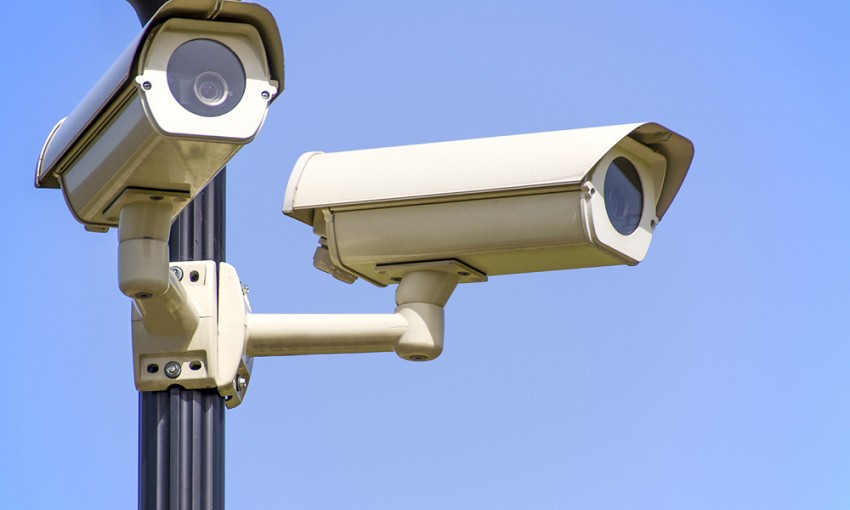
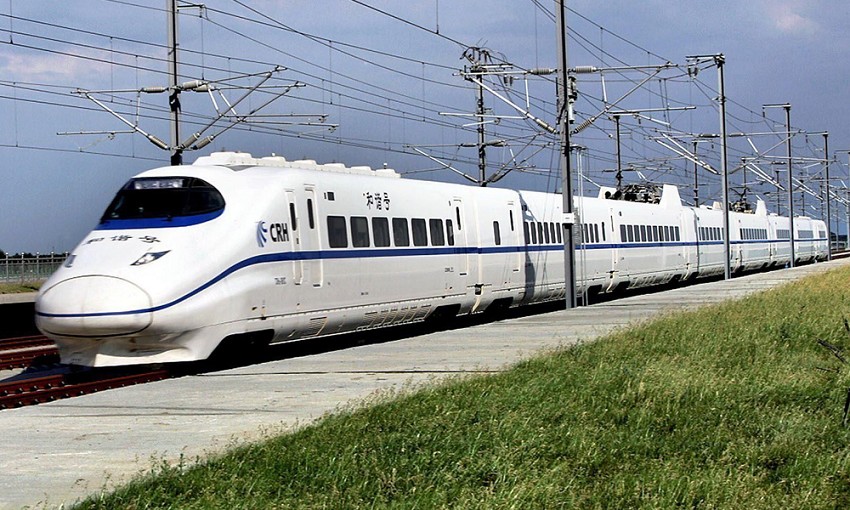
Industrial automation systems benefit from fiber optic transmission because of its strong resistance to electromagnetic interference, ensuring stable communication in demanding environments. Security and surveillance systems use fiber connectivity to transmit high-definition video over long distances between monitoring centers and remote cameras. It is also an excellent choice for campuses, hospitals, government agencies, smart buildings, and large enterprise LANs that require secure, low-latency, and scalable Gigabit fiber networking.

As enterprise networks continue to evolve toward higher speed, greater reliability, and improved scalability, the 1000M Fiber Optic LAN Card has become an essential networking component for servers, workstations, and industrial Ethernet systems.
The E-link LNK-LC1000 Series combines a PCI-E interface, Gigabit fiber connectivity, flexible SC and SFP interface options, comprehensive IEEE standard compliance, and broad operating system support to meet the networking requirements of enterprise LANs, data centers, industrial communication, and intelligent surveillance applications. For organizations planning to build a reliable and future-ready fiber optic network, a high-quality 1000M Fiber Optic LAN Card provides a dependable foundation for long-term network performance and business growth.


