


- Products
-

 Networking
- > AI Smart Managed Series
- > Industrial Ethernet
- Industrial PoE Media Converter
- Industrial Media Converter
- Industrial Unmanaged PoE Switch
- Industrial Managed PoE Switch
- Industrial Unmanaged Ethernet Switch
- Industrial Managed Ethernet Switch
- Industrial Serial Fiber Converter
- Industrial PoE Injector
- Industrial PoE Splitter
- Industrial PoE Extender
- Industrial Optical Switch
- Industrial PD Switch
- DIN-Rail Power Supply
- Rackmount DIN-Rail Bracket
- LED Screen Fiber Converter
- Industrial Ethernet Switch & 5G Router
- Industrial EOC Converter
- > Commercial Ethernet
-
 Video Transmission
-
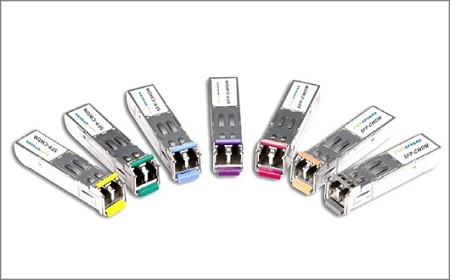 SFP Transceiver
-
 Other Fiber Optic & Networking Products
-
- Solutions
- News
- About
- Contact



Xiazhi, the tenth solar term in the traditional Chinese calendar, heralds the height of summer. At this time, the handle of the Big Dipper aligns with the Wu position (due south), and the sun reaches the celestial longitude of 90°. Xiazhi usually occurs on June 21 or 22 in the Gregorian calendar. It is the day with the longest daylight and shortest shadows in the Northern Hemisphere and marks the northernmost point of the sun's annual journey—after which it begins to move southward again, and daylight hours gradually decrease.
After Xiazhi, temperatures rise noticeably, humidity increases, and thunderstorms become more frequent, resulting in the characteristically hot and humid summer weather. Despite having the strongest yang energy and the longest day of the year, Xiazhi is often not the hottest day because the earth continues to accumulate heat. Peak summer temperatures typically arrive during the Sanfu period that follows.
Xiazhi has long held both natural and cultural significance in Chinese tradition. People observe customs such as making offerings to deities and ancestors, seeking respite from the heat, and eating noodles—practices that express hopes for a bountiful harvest while reflecting a deep, seasonally attuned way of life. For well-being during this time, it is recommended to stay cool and hydrated, keep a calm mind, and eat light, refreshing foods such as melons, fruits, and mung beans to help dispel summer heat.
Xiazhi represents not only the zenith of the year's vitality but also a subtle transition between yang and yin energies. In the warmth and fullness of this season, all things flourish under the enduring sun.


